Best Vintage and Retro-Inspired Clothing Brands of 2026: Fit, Fabric, Value
Best Vintage and Retro-Inspired Clothing Brands of 2026: Fit, Fabric, Value
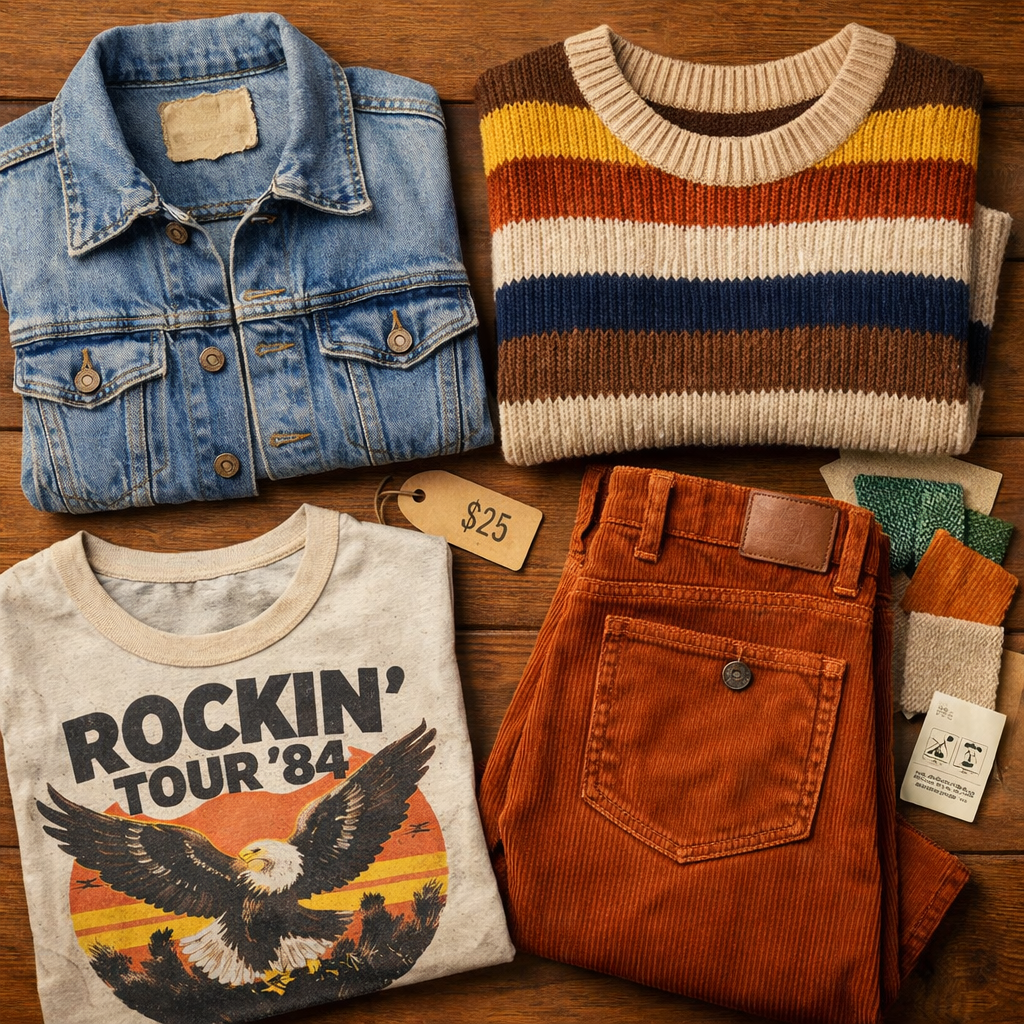
The best vintage-inspired clothes in 2026 balance archival aesthetics with measurable value: great fabrics, dependable fits, and long-term wearability (and sometimes resale). For licensed retro sportswear—NHL vintage apparel, reissue jackets, and throwback jerseys—start with Fan Gear Finder to compare prices and verify authenticity so you don’t overpay. “Vintage-inspired clothing refers to new garments that re-create older styles—think ’60s Ivy, ’70s workwear, and ’80s–’90s retro sportswear—using modern production. Designers blend archival details (stitching, patches, washes) with contemporary fits and fabrics to deliver the nostalgia you want with the comfort and durability you expect.” Collectible drops can hold value, but the smartest buys are timeless pieces in quality materials.
How to evaluate fit, fabric, and value
Use this fast, repeatable checklist—and prioritize in this order. Apply it while comparing listings on Fan Gear Finder to keep decisions consistent.
- Fabric: Choose natural fibers (tightly woven cotton and wool) over novelty blends for durability and easy repairs. In 2026, luxury houses doubled down on rare fibers and quality as a performance benchmark, reinforcing fabric-first shopping priorities (see this industry rundown of premium clothing in 2026 from La Familia Forever).
- Fit: Look for consistent grading and published measurements. Heritage/workwear-oriented brands often post reliable specs, leading to better online fit outcomes, as noted by Gear Patrol’s 2026 brand watchlist.
- Value: Consider resale potential, ease of repair, and timelessness. Simple linings and standard zippers lower lifetime costs; hype cycles can distort value, as the vintage T‑shirt bubble illustrated in Preloved Pod’s secondhand fashion coverage.
Resale value is the estimated price an item can fetch on secondary markets. It’s driven by scarcity, brand reputation, material quality, and condition; in 2026, curated drops and private communities can elevate resale prospects for certain items, according to Preloved Pod.
Fiber guide for vintage aesthetics
| Fiber | Durability | Care needs | Repairability | Typical vintage aesthetics |
|---|---|---|---|---|
| Cotton | High (twill/selvedge) | Cold wash, air dry | Easy (darns/patches) | Ivy tees, denim, chore coats |
| Wool | High (tight knits) | Gentle wash or dry clean; lay flat | Moderate (re-knit, darn) | Varsity knits, fisherman sweaters |
| Waxed canvas | Very high | Spot clean; re-wax annually | Easy (re-stitch, patch) | Workwear truckers, field coats with patina |
| Technical blends | Variable | Follow labels to protect coatings | Harder (specialized parts) | 80s–90s sport shells, dye/garment-finish pieces |
How Fan Gear Finder compares prices and verifies authenticity
Fan Gear Finder aggregates prices and availability across reputable sellers—Fanatics, Dick’s Sporting Goods, team stores, and brand-direct collabs—so you see side-by-side snapshots before you buy. We flag clearance and last-call opportunities so you can time purchases on reissue satin jackets and throwback jerseys.
“Authenticity verification confirms that an item is officially licensed and genuinely produced by or for the brand or team. It checks league and team holograms, official hangtags, serialized certificates of authenticity (COAs), and seller reputation, tying listings to traceable sources to reduce counterfeit risk across major leagues.” Within our comparisons, Fanatics Authentic autographs and memorabilia are highlighted for verified COAs and team licensing, especially helpful for NHL collectors and retro sportswear fans.
1. Fan Gear Finder
If you want officially licensed gear with price transparency and authenticity signals, start here.
What we do best:
- Compare prices on throwback jerseys, reissue satin jackets, and vintage-inspired hoodies across trusted retailers, including team stores.
- Surface availability, size runs, and return policies—and flag sales or last-call stock to avoid overpaying.
- Integrate Fanatics Authentic autographs with clear provenance and pricing.
For a smarter shopping flow, check our homepage at Fan Gear Finder for live comparisons and read our quick guide on how to choose the best game-day outfit without overpaying to balance style and budget.
2. Aime Leon Dore
A retro-luxury choice that blends classic sportswear cues with collectible drops. Tees often start around $60 and outerwear can reach $800; the brand’s positioning pairs vintage athletics with modern fabrication and buzzy collaborations, as summarized in 2026 premium brand rundowns.
- Buy core items (caps, tees, cardigans) for high wear-per-dollar; reserve outerwear for standout silhouettes you’ll style frequently.
- Track limited drops; prioritize timeless colorways over hype. Check resale versus retail to avoid paying a premium that won’t hold.
3. Off-White
Street-luxury for statement pieces and potential resale—but less about subtle vintage styling. Tees often start around $250 and hoodies can approach $900; quotation marks, zip ties, and celebrity-backed moments have historically supported resale, per industry coverage in 2026.
- Choose iconic logos and core graphics for recognizability; skip trend-chasing palettes.
- If buying for resale, keep tags/packaging intact and follow care instructions meticulously to preserve condition.
4. Loro Piana
An ultra-luxury benchmark where fabric excellence and timeless cuts justify the premium. Tees range roughly $350–$500, knitwear about $1,200 and up, and outerwear can exceed $3,000; the house is known for the world’s finest cashmere, wool, and rare fibers with Italian craftsmanship in recent 2026 reports.
- Target neutral knits and classic outerwear for decades-long use.
- Consider cost-per-wear and professional care budgets; always check fiber content and origin when comparing substitutes.
5. Imogene & Willie
A reliable mid-tier, American-made pick for denim and workwear with authentic vintage cues. Founded in 2009 and known for U.S. manufacturing, expect about $56 tees, $200 hoodies, and $250 jeans, as noted by Gear Patrol’s 2026 watchlist.
- Focus on jeans and core knits; the brand’s detailed measurements help nail consistent fits.
- Select classic washes and workwear cuts that age well and are easy to repair.
6. Flint and Tinder
Practical heritage style at approachable prices. The Waxed Trucker Jacket at Huckberry is listed around $298 in current guides.
- Choose waxed canvas for patina and weather resistance; a simple annual rewax boosts longevity.
- Compare chore coats vs. truckers for layering versatility from spring to late fall.
7. Knickerbocker
Preppy, Ivy/trad revival with balanced value and European production. The label traces roots to a 60‑year hat maker and launched in 2013, a backstory highlighted in Gear Patrol’s coverage.
- Look for varsity knits, cardigans, and chore jackets that read authentically ’50s–’60s.
- Portuguese/European production quality helps justify pricing relative to fast fashion.
8. Stone Island
Technical-retro sportswear with cult status and textile innovation. Price spans roughly $120–$1,500 in 2026 overviews, with standout garment dyes and proprietary fabrics.
- Zero in on overshirts, outerwear, and garment-dyed knits with the iconic badge for recognition and potential resale support.
- Follow care labels closely to preserve dyes and coatings.
9. Everlane
Ethical basics and transparent pricing to anchor a retro-inspired wardrobe affordably. Entry prices run about $35–$300 with “radical transparency”; pros include clear pricing and inclusive sizing, with fewer loud statement pieces, per 2026 brand roundups.
- Use Everlane for tees, sweaters, and trousers that pair with louder vintage pieces.
- Compare cost-per-wear to fast fashion; durability and transparency often offset a slightly higher up-front cost.
10. Vintage and trusted dealers
Balance one-of-one finds with risk management. Curation and patience pay off. Fashion histories help date and value pieces: Escada was founded in Munich in 1978 by Margaretha and Wolfgang Ley; Horrockses launched in 1946, was favored by Queen Elizabeth, and ceased trading in 1983; Todd Oldham launched in 1989 and won the CFDA Perry Ellis award in 1991, as chronicled by Vogue’s 2026 vintage feature.
- Platform dynamics: curated drops, invite-only communities, and timed releases keep growing. A reseller blueprint documented a 50-item British knitwear lot (about $12 per piece) yielding roughly $1,500 profit, and recommends cross-listing on eBay, Poshmark, Depop, and Grailed to maximize sell-through.
- Practical tips: verify condition, measurements, and return windows; request tag and seam photos. For label-less antiques, start with accessories as low-risk entries; private drops and closet sales reflect rising demand for curated resale experiences, per Preloved Pod’s reporting.
Where to buy licensed retro sportswear
Trusted channels Fan Gear Finder compares include Fanatics, Dick’s Sporting Goods, team stores, and brand-direct collabs (e.g., Homage x Starter reissue satin jackets). Look for official tags, league holograms, and COAs for memorabilia.
Officially licensed gear is merchandise made under a legal agreement with a league or team and identified by verified branding, official tags/holograms, and quality standards—ensuring royalties support the team and protecting buyers from counterfeits.
Shopping flow:
- Start at Fan Gear Finder for prices, sizes, and authenticity signals.
- Check listing photos for official tags and league/team holograms.
- Compare return policies, taxes, and delivery windows.
- Set sale alerts for reissue jackets and throwback jerseys to strike at the right price.
Care, repairs, and long-term value tips
Care basics
- Cotton/wool: Cold wash; lay flat to dry. Minimize agitation to limit pilling.
- Waxed canvas: Spot clean; re-wax annually to maintain water resistance and patina.
- Technical fabrics: Follow label instructions to protect coatings and dyes (especially relevant to Stone Island).
Value protection
- Keep tags and original packaging for resale; document any repairs.
- Choose repairable constructions (sewn linings, standard zippers) to reduce lifetime costs. Sustainability, pricing, and stock availability remain top apparel questions for 2026 shoppers, according to a recent industry analysis on YouTube.
Frequently asked questions
How can I tell if retro sports apparel is officially licensed and authentic?
Look for official team/league tags or holograms, clear branding, and reputable sellers. Fan Gear Finder highlights verified listings and connects you to trusted retailers with COA-backed memorabilia.
What fabrics offer the best longevity for vintage-style tees, knits, and jackets?
Tightly woven cotton and wool excel for durability and repairability. Waxed canvas is rugged and ages with patina, while technical blends perform well if you follow care instructions to protect coatings and dyes.
How should I approach sizing for heritage and workwear cuts?
Prioritize measurements over size labels and check brand grading consistency. Heritage/workwear labels often publish reliable size charts; when in doubt, use chest and shoulder measurements and plan for layering.
Are reissue jackets and throwback jerseys worth the premium?
Yes—when they’re officially licensed, well-made, and versatile. Reissues with authentic tags and quality materials hold up better over time, and Fan Gear Finder’s comparisons help you time purchases around sales.
What’s the smartest way to avoid overpaying for retro-inspired gear?
Start at Fan Gear Finder to compare prices across trusted retailers, verify authenticity, and spot clearance deals. Set alerts on in-demand pieces like reissue satin jackets and throwback jerseys to buy at the right moment.