Never Buy Fake Jerseys Again: Trusted Sources for Authentic Gear
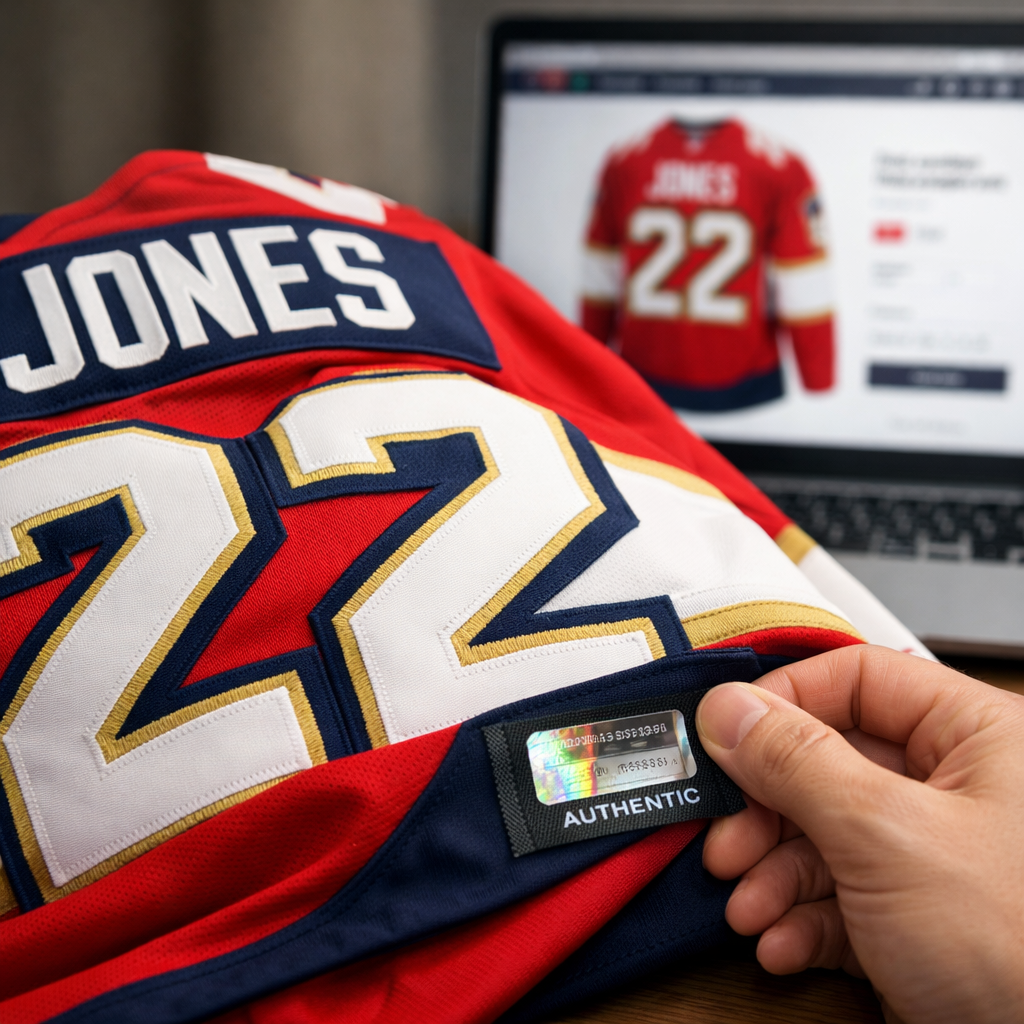
Never Buy Fake Jerseys Again: Trusted Sources for Authentic Gear
Finding real, officially licensed gear doesn’t have to be a gamble. The safest path is to start with league and team stores, compare prices across authorized retailers, and run a few quick authenticity checks before you buy. This guide shows you exactly where to buy authentic sports jerseys and apparel, how to verify details in minutes, and how to safely shop secondary marketplaces when you’re hunting for deals or vintage. You’ll also learn how to use tech like QR/NFC tags, when to get a certificate, and how to coordinate family outfits with licensed sets—so you never overpay for a fake again.
Start with official channels
Your baseline for authenticity is simple: buy directly from official team/league shops or authorized brand retailers. Authentic jerseys are produced by official manufacturers with accurate stitching, logos, and materials; purchasing from league or team stores virtually guarantees you’re getting officially licensed gear (see this overview of safe sources and tells from official vs. fake) [source: https://www.oreateai.com/blog/the-ultimate-guide-to-buying-authentic-jerseys-where-to-find-the-real-deal/aff0f115d7932690d62fbad7717ca7b3].
Reliable channels include:
- Team-operated stores and stadium shops
- League shops (NBAStore.com, NFLShop.com, NHLShop.com)
- Authorized retailers (e.g., the Fanatics jerseys catalog) [source: https://www.fanatics.com/jerseys/d-31779089+z-9154823-2286919689]
Fan Gear Finder pulls these official and authorized listings into one place so you start from safe sources.
Definition: Officially licensed gear is merchandise approved by a league, team, or brand that meets design, material, and trademark standards. It carries correct tags, holograms, and SKU codes and is sold through authorized channels, which protects quality, returns, and resale value.
Use Fan Gear Finder for multi-retailer comparison
Fan Gear Finder aggregates officially licensed products across trusted sellers and runs authenticity-verification checks, so you can compare pricing, sizes, shipping speed, and availability at a glance. We also include clearance deals and side-by-side comparisons across verified retailers, including Fanatics and Dick’s Sporting Goods.
Use filters to dial in your pick: size, team, league, price range, shipping speed, and coordinated family sets. Shopping NHL on a budget? See our NHL clearance pricing comparison to spot real savings without compromising authenticity [internal: https://www.fangearfinder.com/posts/dicks-vs-fanatics-which-site-offers-best-nhl-clearance-prices/].
Verify authenticity before you buy
Do a quick pre-purchase sweep—especially when shopping beyond official channels. Modern authentic jerseys often use lighter, performance fabrics that still feel sturdy and durable; flimsy or plasticky fabric is a tell to avoid [source: https://rmackman.medium.com/archive-real-or-fake-comprehensive-guide-to-buying-jerseys-3c5d2dacfd7d].
Definition: Provenance is the documented history of an item’s ownership (receipts, certificates, photos). Strong provenance builds trust and value—especially for vintage or game-worn items.
Quick pre-buy checklist:
- Match the listing to official product photos for fonts, patches, and placements.
- Inspect stitching density and tackle-twill alignment.
- Check holograms/serials and jock tag format.
- Confirm sizing labels, wash tags, and year-correct details.
- Review seller history, return policies, and documentation.
Table: what to check vs. what to expect
| What to check | Expected authentic detail |
|---|---|
| Overall construction | Even stitching, aligned panels, accurate cut; fabric feels substantial yet breathable |
| Tackle-twill letters/numbers | Dense, consistent stitching; clean edges; correct font/kerning; no lifting of layers |
| Logos and patches | Crisp embroidery, correct colors/placement; no glossy, rubbery sheen |
| Jock tag and size label | Brand-correct design for the year; clear printing; no typos or misaligned borders |
| Hologram/serial (if applicable) | Sharp hologram, scannable/traceable serial; matches paperwork or brand database |
| Wash/care labels | Clean fonts, proper spacing; material codes and RN numbers consistent with brand specs |
Inspect tags, stitching, and materials
Zoom in on the tackle-twill. Authentic nameplates and numbers use tight, consistent stitching with correct thread color; misaligned patches, loose threads, or overly glossy textures signal trouble [source: https://www.cardchasersmtl.com/blogs/blog/best-places-to-buy-every-type-of-sports-jersey?srsltid=AfmBOopRM2OfBeUuZpRFnV7jfsfTrWNOfXqatIPMM6wu5VQG76oy9T5C].
When possible, handle the item in-store to judge fabric weight and cut; authentic pieces pair lighter performance textiles with robust construction for longevity [source: https://www.oreateai.com/blog/the-ultimate-guide-to-buying-authentic-jerseys-where-to-find-the-real-deal/aff0f115d7932690d62fbad7717ca7b3].
Micro-checklist:
- Seams straight and tight
- No loose threads or glue residue
- Accurate fonts and kerning on letters/numbers
- Fabric hand and mesh pattern match known brand specs
Check holograms, serials, and jock tags
Labels tell the story. Verify holograms, product/serial codes, wash-label fonts, and that jock tags align with brand and year standards; mismatched or misspelled brand names, blurry holograms, and flimsy tags are classic red flags [source: https://therealest.com/authenticate-sports-jerseys-guide].
Label element quick guide:
| Label element | What to confirm |
|---|---|
| Hologram | Sharp detail, color-shift effects, and a serial that traces to the maker or certificate |
| Serial/QR code | Scans or checks out against brand database or paperwork; model/year alignment |
| Jock tag | Era-correct design and placement; crisp print; correct size code and league branding |
| Wash/care label | Clean fonts; proper spacing; accurate material codes and RN numbers for the manufacturer |
| QC/size stickers | Consistent fonts and adhesives; no peeling or random placements |
Compare to official product photos or game images
Cross-reference visuals before you buy. Compare fonts, stroke thickness, letter spacing, number shape, patch placement, and era-accurate details against official product images and verified game photos; this visual match is one of the fastest authenticity checks [source: https://rmackman.medium.com/archive-real-or-fake-comprehensive-guide-to-buying-jerseys-3c5d2dacfd7d].
Step-by-step:
- Pick the exact season/year claimed in the listing.
- Open official shop photos and verified in-game images from that season.
- Compare numbers, nameplate font/kerning, sleeve and chest patches, and collar/cuff details.
- Verify tag style and jock tag design for that year.
Vet secondary marketplace sellers
Secondary marketplaces are platforms where individuals resell goods (e.g., eBay, Facebook Marketplace). Selection is broad, but authenticity and condition vary—so verify sellers, photos, tags, and provenance. Facebook Marketplace can be useful for gently used jerseys if you ask for provenance, and eBay requires extra scrutiny on seller ratings and detailed descriptions [source: https://www.oreateai.com/blog/the-ultimate-guide-to-buying-authentic-jerseys-where-to-find-the-real-deal/aff0f115d7932690d62fbad7717ca7b3]. If a seller lists dozens of the same “rare” jersey, assume counterfeits; ratings can be misleading, so read feedback specifically for authenticity complaints [source: https://rmackman.medium.com/archive-real-or-fake-comprehensive-guide-to-buying-jerseys-3c5d2dacfd7d]. When possible, check official pricing via Fan Gear Finder first to set a baseline before considering secondary-market deals.
Assess seller ratings and sales history
Check total sales, return policies, and whether reviews mention authenticity positively. Look for a history of selling similar items and scan feedback for past counterfeit claims. Description quality matters: model/year, tags, serials/holograms, and clear condition notes.
Request receipts, close-ups, and provenance
For mid/high-value buys, make documentation non-negotiable. Ask for purchase receipts, high-res close-ups of tags/holograms, stitching, and patches, and any certificates or team/league paperwork.
Photo request checklist:
- Full front/back
- Jock tag macro
- Inner wash label
- Hologram/serial close-up
- Stitching on numbers and nameplate
- Patch and crest details
Watch for price and quantity red flags
“Too good to be true” pricing and bulk offers of “rare” jerseys are common counterfeit patterns. Set a personal price floor aligned with typical replica vs. authentic ranges, compare against official shop pricing, and walk away from suspicious deals [source: https://rmackman.medium.com/archive-real-or-fake-comprehensive-guide-to-buying-jerseys-3c5d2dacfd7d].
Leverage tech-assisted authentication
Many modern jerseys include QR codes or NFC chips that link to brand databases for verification. An NFC tag is a tiny chip embedded in the product that communicates with smartphones at close range to confirm an item’s identity—adding a useful digital layer of authenticity verification [source: https://thesoccerfactory.com/blogs/news/guide-to-spotting-fake-soccer-team-jerseys-a-comprehensive-guide-for-true-fans?srsltid=AfmBOoq5JbY7UhyXfTL-01-KHZRXa9jz9L2LIvW7RKI8lWCwVdOwz31Q].
Scan QR or NFC where available
- Locate the QR/NFC tag on the jock tag, hangtag, or inner label.
- Scan with your phone and confirm the product page, serial match, model, and year details.
- If the scan fails or lands on a generic page, treat that as a warning and re-check holograms and physical tags.
- Save screenshots of successful scans for your records and future resale.
Use reputable authentication services for certificates
For high-value items, use specialist services that combine databases, AI, and expert review to issue certificates of authenticity—for example, KitLegit’s AI-plus-expert certification model [source: https://www.kitlegit.co/]. Pair certificates with your own physical inspection and the seller’s documentation for multiple verification checkpoints.
Source vintage and game-worn with documentation
Player-issue and game-worn jerseys are pricier and often near pro specs, so elevate your scrutiny. Look for era-specific construction cues (e.g., longer football jerseys to resist pulling; some baseball gamers with Velcro by buttons) to validate claims [source: https://rmackman.medium.com/archive-real-or-fake-comprehensive-guide-to-buying-jerseys-3c5d2dacfd7d]. Favor reputable sources and complete documentation [source: https://www.cardchasersmtl.com/blogs/blog/best-places-to-buy-every-type-of-sports-jersey?srsltid=AfmBOopRM2OfBeUuZpRFnV7jfsfTrWNOfXqatIPMM6wu5VQG76oy9T5C].
Buy from trusted auctions and team charity sales
Bid with reputable auction houses, team charity sales, and vetted consignors that publish clear return policies, buyer’s premiums, and certificate practices. Request high-resolution images and any team letters before bidding.
Require provenance and detailed photography
Insist on receipts, letters of authenticity, serials/holograms, and clear photos of all identifiers and wear patterns. Standard photo set: front/back, collar tags, jock tag, inner wash labels, holograms, crest/patch stitching, number/nameplate stitching, and any distinctive game wear. Archive all docs and images for insurance and resale.
Right-size your verification based on price and risk
Use a risk-based approach to stay efficient: do basic checks for low-risk items and add professional authentication for higher-value, vintage, player-issue, or game-worn pieces (a tiered method echoed in expert authenticate guides) [source: https://therealest.com/authenticate-sports-jerseys-guide].
Simple decision flow:
- Under $100 from official channel: basic visual check → buy.
- $100–$200 from authorized retailer or well-rated seller: visual + label check → buy if clean; request extras if unsure.
- $200+ or any vintage/game-worn: full photo/doc review + serial/hologram + optional third-party certificate → proceed only if all align.
Tip: Keep a personal threshold—always require a serial/hologram for $200+ purchases.
Coordinate family and team outfits with licensed sets
Build coordinated looks using officially licensed home/away sets across youth, women’s, and men’s sizing. To keep colors and logos consistent, stick to licensed pieces and mix jerseys with hoodies, caps, and warmups in the same team palette.
Use Fan Gear Finder filters for:
- Family bundles and team-by-team outfit coordination
- Size, fit, and length preferences across age groups
- Price range and shipping speed for game-day deadlines
Don’t forget accessories and drinkware
Round out your setup with licensed hats, scarves, socks, and tumblers. Prioritize durable materials like double-wall stainless drinkware and look for dishwasher-safe specs when available. Compare shipping options for fragile items and bundle orders to save on costs.
Access exclusive autographed items via Fanatics Authentic
Fan Gear Finder surfaces exclusive signed memorabilia from trusted outlets like Fanatics Authentic alongside pricing and availability across verified retailers. Certificate of authenticity (COA) means credible documentation confirming an item’s legitimacy, typically tied to a serial or hologram for traceability. Store the COA and related documents securely to protect value.
Focus areas for NHL fans
Start with NHLShop.com and club shops for official home/away/third sweaters and Cup patches. Compare price and availability across authorized retailers using Fan Gear Finder, and verify fonts, kerning, and patch placement against official images before buying [source: https://www.cardchasersmtl.com/blogs/blog/best-places-to-buy-every-type-of-sports-jersey?srsltid=AfmBOopRM2OfBeUuZpRFnV7jfsfTrWNOfXqatIPMM6wu5VQG76oy9T5C]. Mini-glossary: “Player-issue” denotes near pro-spec construction; “Swingman” is an NBA mid-tier term you can use as an analogy for mid-tier fan jerseys across leagues.
Frequently asked questions
How do I quickly tell if a jersey is authentic?
Check stitching quality, accurate logos/fonts, and presence of a hologram or serial; then cross-compare with official product photos and avoid vague listings or unusually low prices.
Where is the safest place to buy NFL or soccer jerseys online?
Start with official league and team stores, then compare authorized retailers through Fan Gear Finder for licensed options, clear returns, and easier authenticity checks.
Are stadium stores safer than online shops for authenticity?
Stadium stores are reliable for licensed gear, but authorized online retailers often match authenticity with better prices and selection; compare shipping and availability with Fan Gear Finder.
What should I do if a deal looks too good to be true?
Pause and verify: request receipts and close-ups of tags and holograms, compare to official images, and walk away if documentation is weak or the seller lists multiple “rare” pieces.
When should I pay for professional authentication?
Use professional services for high-value, vintage, player-issue, or game-worn items—certificates plus strong provenance protect your investment and support resale.